from 0 review
Flexible Duration
Daily Tour
40 people
English, Espanol
The University Study Expeditions program offers immersive academic experiences in the Peruvian Amazon designed for university students, researchers, and academic institutions seeking field-based learning opportunities.
These expeditions transform the Amazon rainforest into an open-air research laboratory where students can study biodiversity, ecosystems, Indigenous knowledge systems, conservation challenges, and sustainable development practices in real-world contexts.
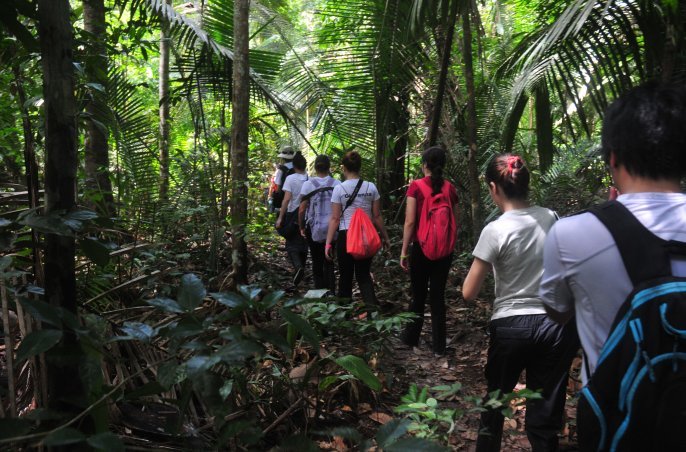
Working alongside experienced naturalist guides, local experts, and cultural interpreters, participants engage in field observations, research activities, and interdisciplinary learning experiences that complement university coursework.
Programs can be customized to support academic objectives in fields such as biology, environmental science, anthropology, geography, sustainability, and tropical ecology. Expeditions may include visits to research sites, protected areas, Indigenous communities, and conservation projects.
Each expedition is designed to combine rigorous learning, cultural exchange, and responsible exploration in one of the most biodiverse regions on Earth.
• Support university-level field research and experiential learning
• Connect theoretical coursework with real-world ecosystems and cultures
• Promote interdisciplinary study in natural and social sciences
• Encourage critical thinking, observation, and scientific inquiry
• Foster awareness of environmental conservation and sustainability
Students explore the extraordinary biodiversity of the Amazon through direct observation and guided research activities.
Possible topics include:
• Rainforest ecosystem dynamics
• Plant diversity and medicinal plants
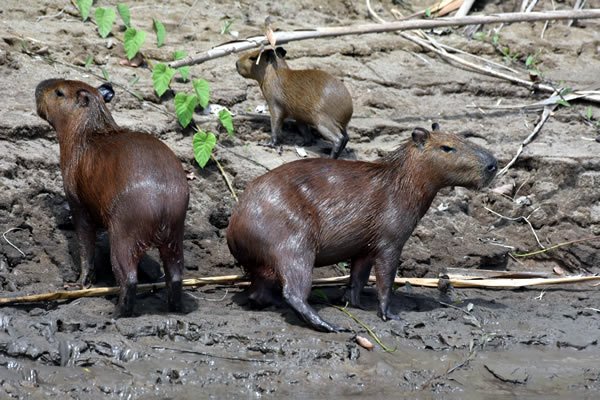
• Bird and wildlife monitoring
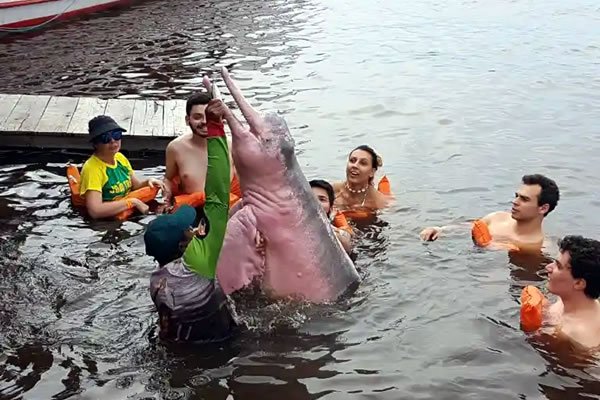
• Aquatic ecosystems and river ecology
• Biodiversity conservation challenges
Students gain insight into Amazonian cultural diversity and traditional ecological knowledge.
Possible topics include:
• Indigenous cosmology and traditional knowledge systems
• Cultural adaptation to rainforest environments
• Language, identity, and cultural preservation
• Traditional medicine and plant knowledge
Students examine the environmental challenges facing the Amazon and explore sustainable development strategies.
Possible topics include:
• Conservation of protected areas
• Climate change impacts in tropical ecosystems
• Community-based conservation
• Sustainable resource management
Students study the unique geography and hydrology of the Amazon basin.
Possible topics include:
• River dynamics and floodplain ecosystems
• Landscape ecology
• Human-environment interactions
• Amazonian geography and settlement patterns
University study programs are flexible and may range from:
• 3–5 day introductory academic visits
• 7–10 day field study expeditions
• 2–3 week intensive research programs
Programs can be designed to fit academic calendars and research goals.
Yes. Each expedition can be designed in collaboration with professors or program coordinators to support course objectives and research topics.be designed in collaboration with professors or program coordinators to support course objectives and research topics.
Yes. The expeditions can accommodate undergraduate groups, graduate students, and academic research teams.tions can accommodate undergraduate groups, graduate students, and academic research teams.
Yes, but certain activities may require permits. Our team assists with coordination and compliance when necessary.re permits. Our team assists with coordination and compliance when necessary.
No previous experience is required, but participants should be comfortable with outdoor conditions typical of tropical environments.
Programs can be conducted in English, Spanish, or bilingually depending on the university’s needs.